Transitional & Independent Living Skills

Preparing for Life After the Program
  1. Home
  2. Programmes
  3. Transitional & Independent Living Skills

Graduation isn’t the end—it’s a new beginning

Healing requires more than recovery—it takes guidance, compassion, and connection. Through one-on-one counseling, group support, mentorship, and family reconciliation, participants receive the care needed to restore relationships and rebuild hope. With trauma-informed guidance, individuals find strength, healing, and the confidence to move forward.

Frequently Asked Questions

Transitional housing is a Christ-centered sober living environment where residents live together under structured rules, accountability, and support. It provides a safe bridge from treatment or homelessness to independent living.You can volunteer, donate, or partner with us to support our initiatives. Visit our Get Involved page for more details.

Residents must remain drug- and alcohol-free, attend required programs, follow curfew, respect others, and maintain cleanliness. Random drug testing is conducted.

Homes house between 4 and 8 residents depending on the property size. Each resident has personal space, but common areas are shared.

Relapse is taken seriously. Residents may be referred to treatment or dismissed for safety reasons, depending on circumstances.
Yes, curfew is typically 10:00 PM. Exceptions are made for work or school with prior approval.
Visitors are allowed during designated daytime hours and must be approved by staff. Overnight visitors are not allowed except for biological children with prior approval.
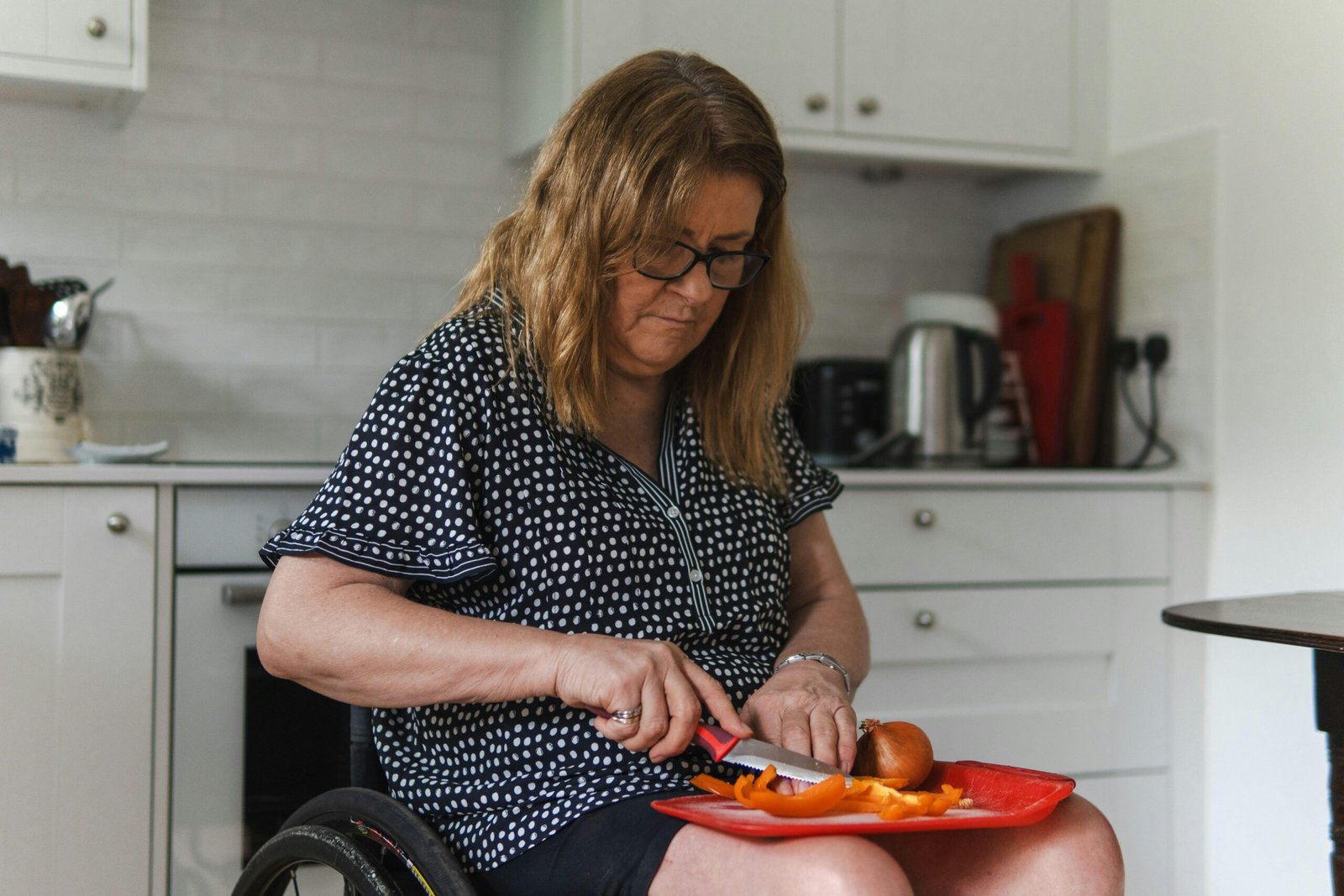
Some meals and pantry support are provided. Residents are expected to contribute to cooking, cleaning, and grocery responsibilities as part of life-skills training.
Length of stay depends on progress, but typically ranges from 3 months to 12 months. Longer stays may be granted if beneficial and in compliance with rules.